Austin, TX
(512) 456-3536

Immigration law only. Austin, Texas.

Immigration matters. You matter.

A boutique firm led by an attorney who made this crossing herself. We file nothing but immigration, for families, professionals and the employers who sponsor them, across the United States and abroad.

Where we stand

One area of law, practised properly.

Immigration is federal law, and it changes constantly. Attorney Snigdha Ghoshal keeps her practice limited to it entirely, which is the only honest way to stay current in it. Clients reach us from across the country and from overseas.

Google rating

4.9

Google rating

Client reviews

230

Client reviews

Languages spoken

5

Languages spoken

Area of law we practise

1

Area of law we practise

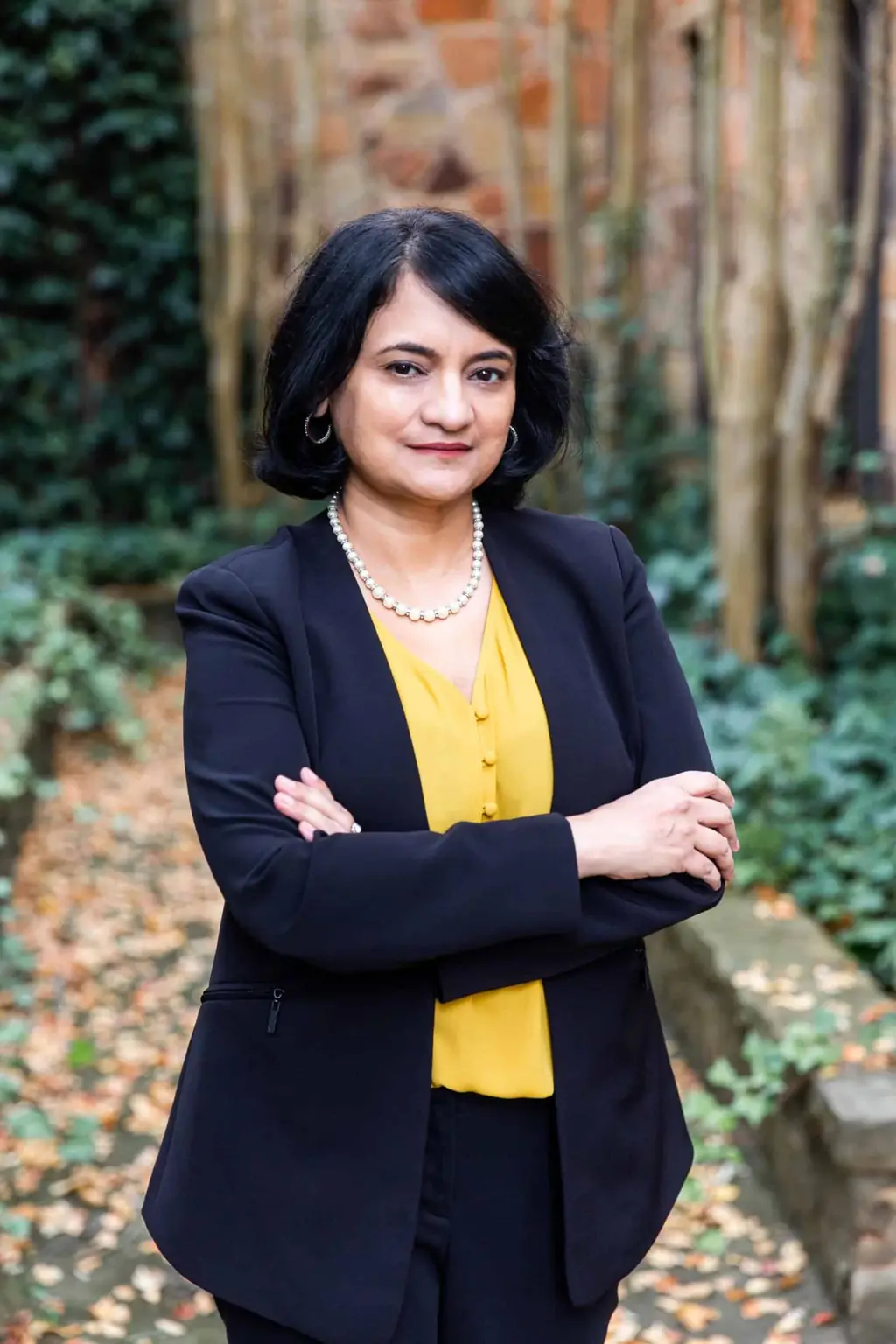
Snigdha Ghoshal, Founder and Principal Attorney of Ghoshal Law PLLC

Meet your attorney

Snigdha Ghoshal has been through this process herself.

She came to the United States more than three decades ago, and she has spent her career since practising immigration law and nothing else, before federal courts and agencies. That means she understands two things at once: the filing in front of you, and what it is like to be the person waiting on it.

She is a certified mediator, and she volunteers pro bono with non-profits across Central Texas, where she has represented detained individuals in immigration court and helped survivors of domestic violence file VAWA self-petitions. She speaks English, Bengali and Hindi. Her paralegal adds Spanish and German, so most clients can speak in whichever language they think in.

  • State Bar of California
  • AILA, American Immigration Lawyers Association, and Texas Chapters
  • AAABA, Austin Asian American Bar Association
  • SAABA, South Asian American Bar Association
  • TCBA, Travis County Bar Association, Immigration Law Section
  • TCWLA, Travis County Women Lawyers Association
  • LACBA, Los Angeles County Bar Association

Speak in the language you think in

Five languages across a three-person firm.

Attorney Ghoshal speaks English, Bengali and Hindi. Our immigration paralegal, Jessica Ovalle, adds Spanish and German. Immigration cases turn on precise answers to uncomfortable questions, and precision is hard in a second language.

  • English
  • Bengali
  • Hindi
  • Spanish
  • German

Practice areas

What we file, and who we file it for.

Five bodies of work, all of them immigration. Each one begins with the same question: what is actually true about your situation, and which route does that leave open.

How a case runs

The same four stages, whatever you are filing.

Immigration work is long and mostly quiet. Knowing the shape of it in advance is the difference between waiting and worrying.

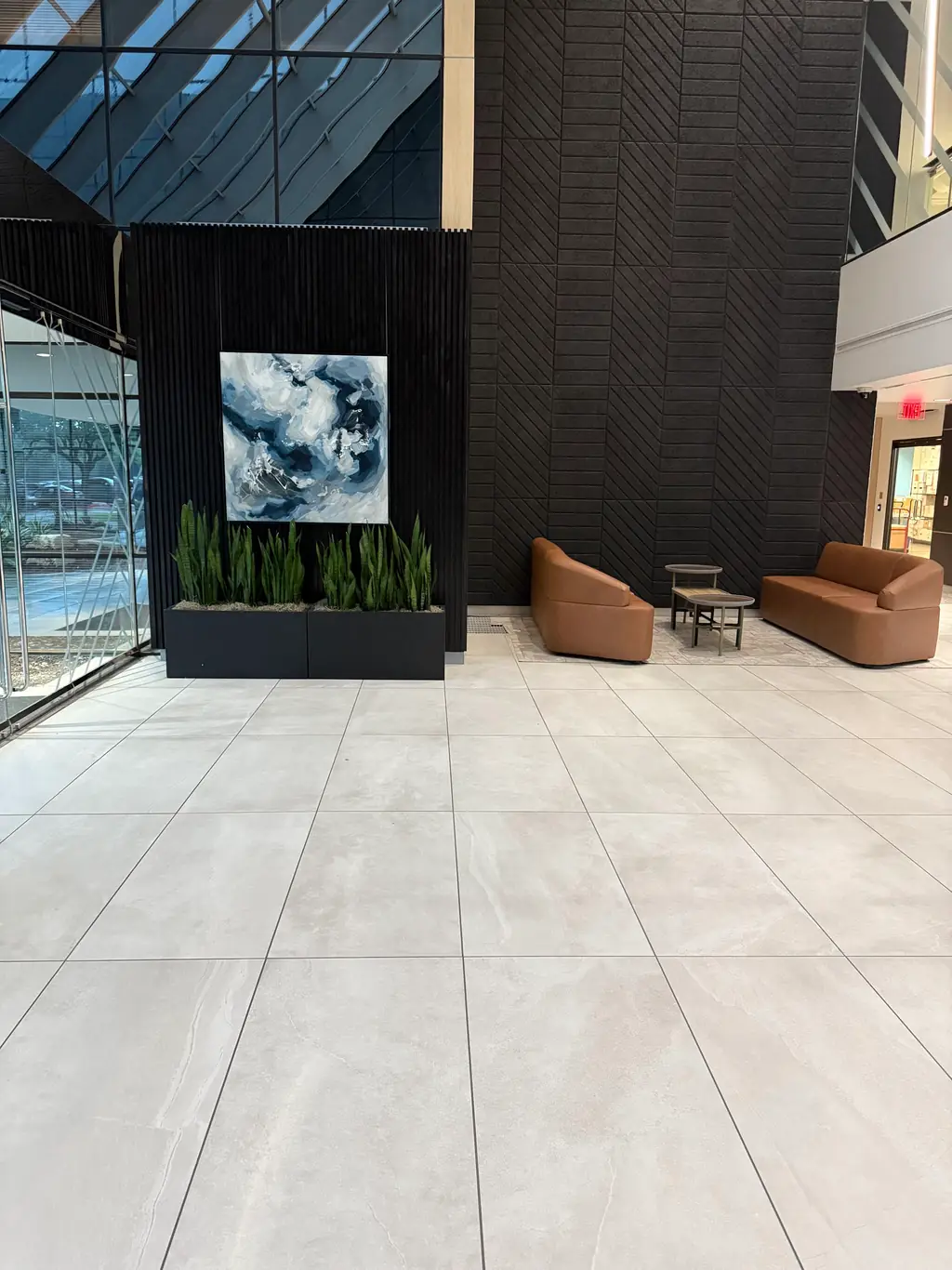
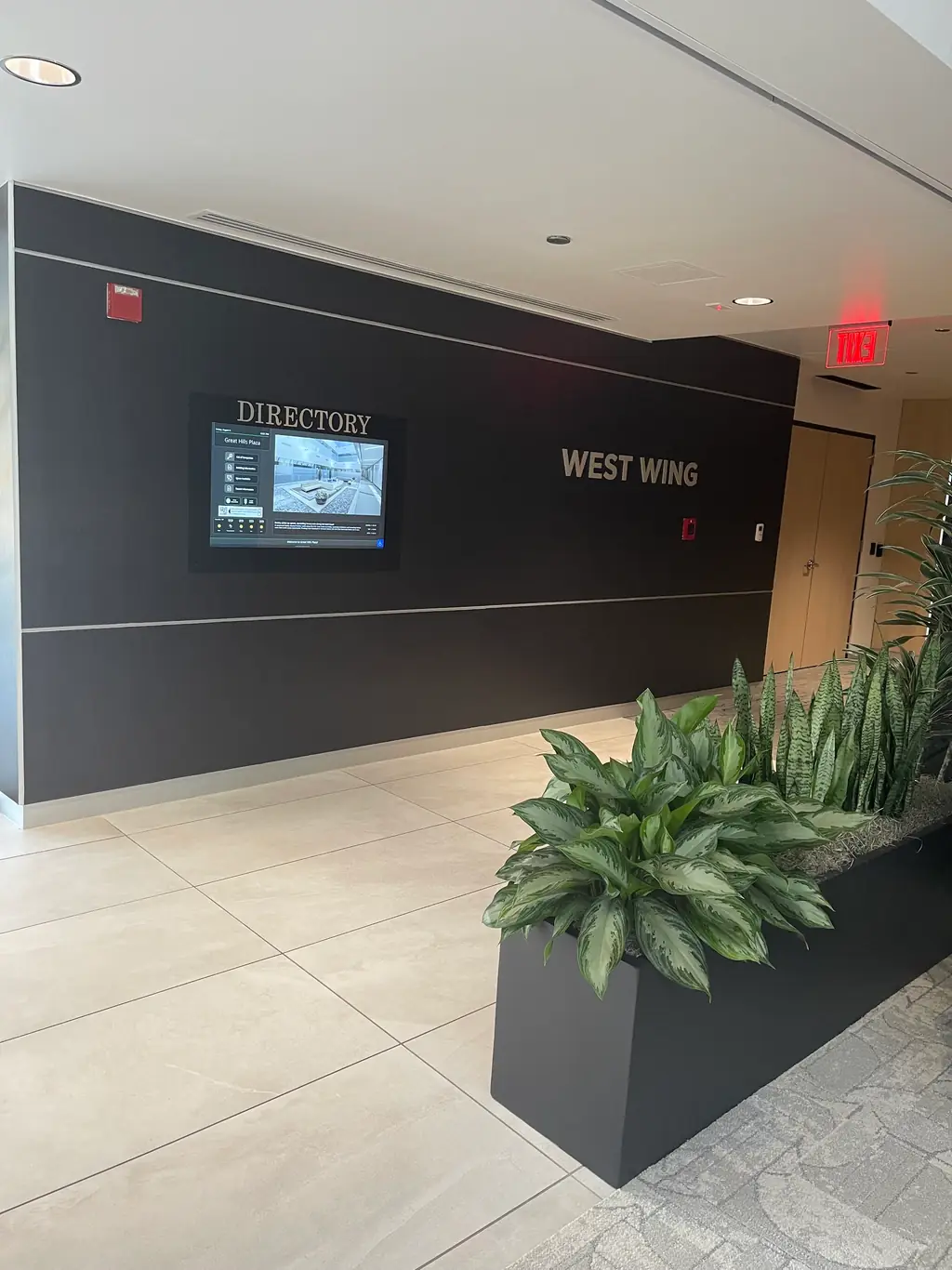
Lobby of Great Hills Plaza, the Austin building where the firm keeps its office

Consultation

We find out what is actually true.

Before anything is filed we go through your history properly: entries and exits, every status you have held, work authorisation, anything in your record. Most cases turn on a detail somebody assumed did not matter. One review mentioned that Attorney Ghoshal pulled up the USCIS site during the meeting to confirm the specifics rather than answer from memory. That is the standard.

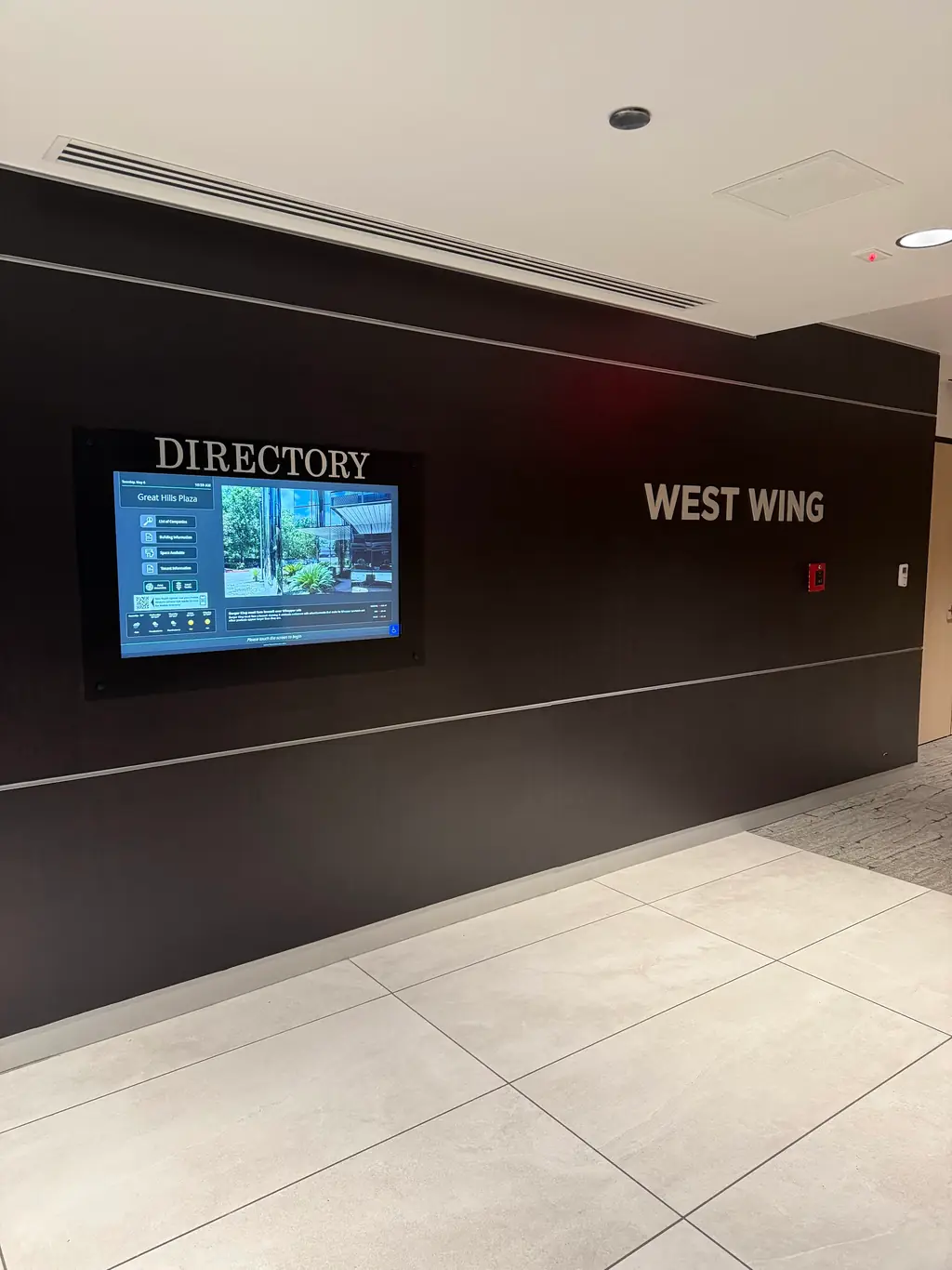
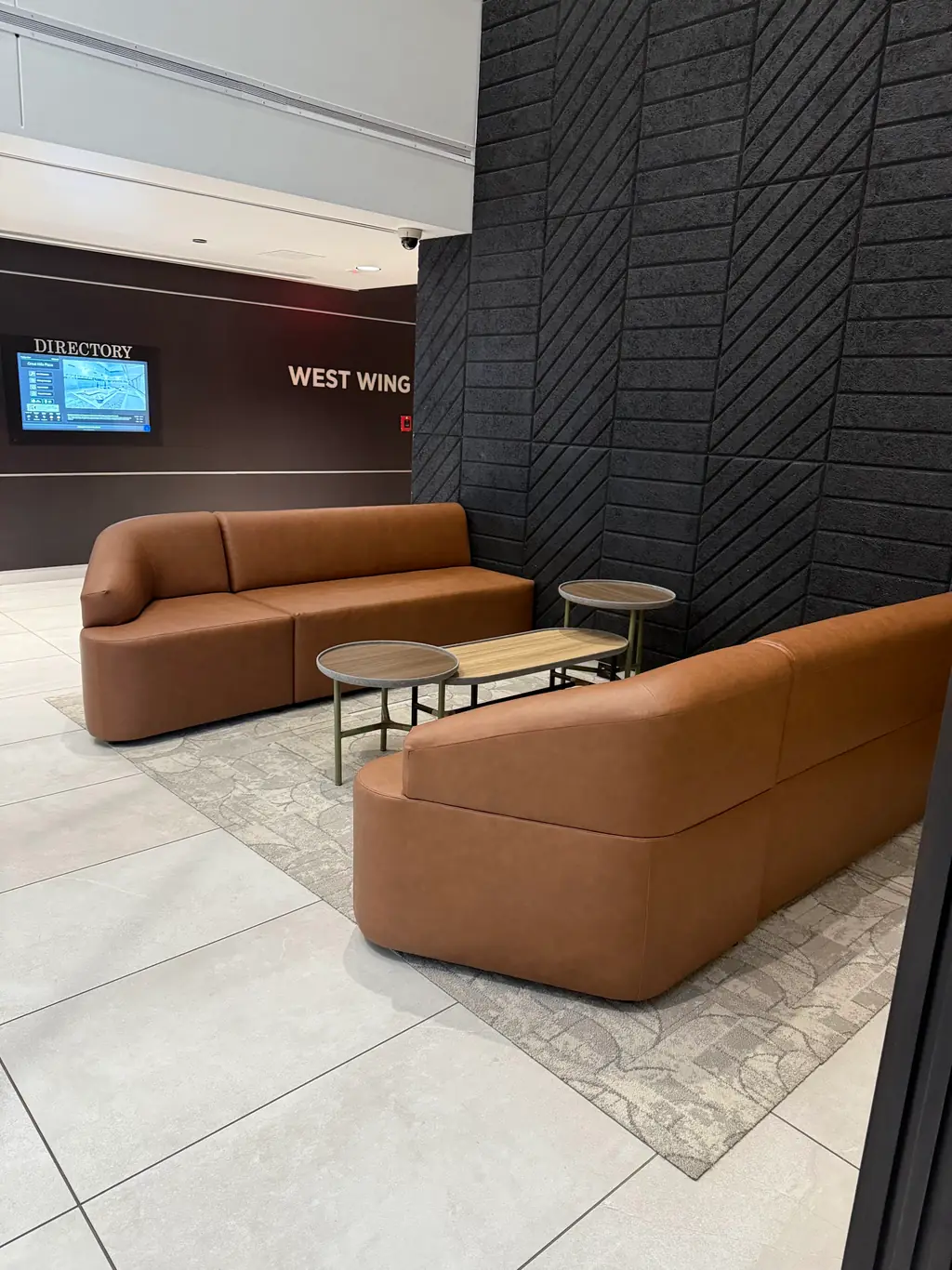
Seating area in the west wing of Great Hills Plaza in Austin

Strategy

We choose the route, and say why.

Adjustment of Status or Consular Processing. Employer sponsorship or a self-petition. A route that is faster but tighter, or slower and safer. You get the reasoning, not just the recommendation, because you are the one who has to live with the timeline.

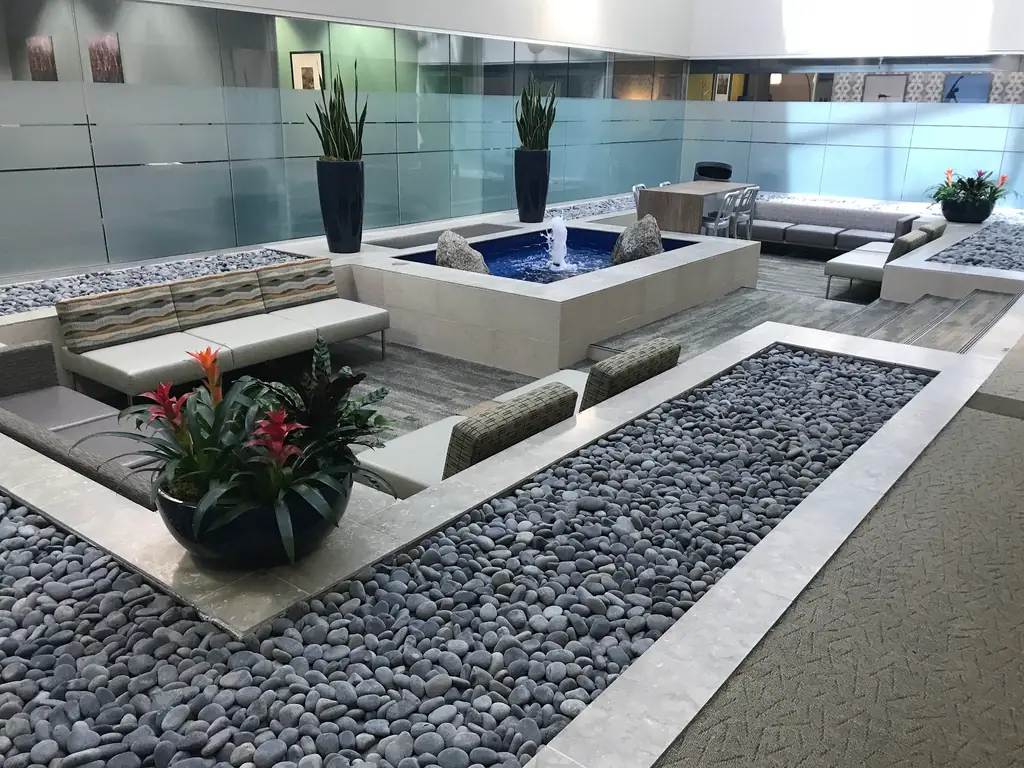
Atrium and water feature inside Great Hills Plaza in Austin

Preparation and filing

The petition is built to survive scrutiny.

Evidence assembled, forms prepared, the record made consistent with itself. Our paralegal manages family petitions, adjustment applications, humanitarian filings, employment cases and consular matters, and checks every filing against what USCIS and the Department of State actually require.

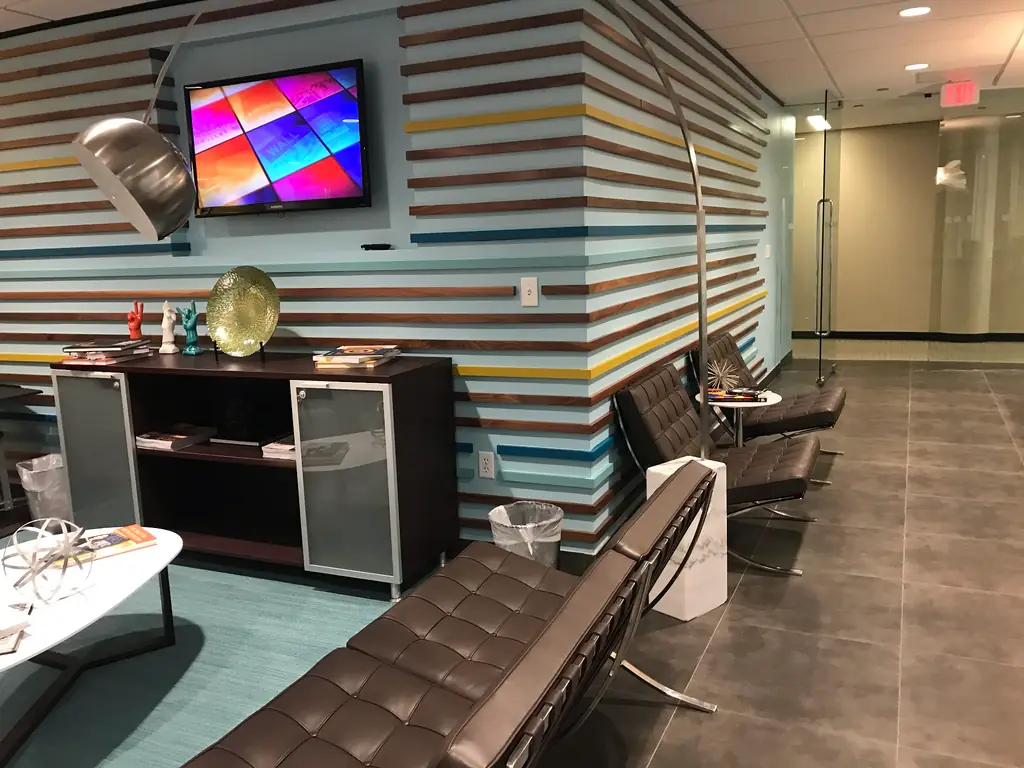
Common lounge inside Great Hills Plaza in Austin

Interview and decision

You do not walk in cold.

Where there is an interview, we prepare you for it in detail, including the questions that are uncomfortable. Clients tell us this is the part that mattered most. If a request for evidence arrives, we answer it fully rather than minimally.

Where we are, who we serve

An Austin office, and a practice that is not limited to Austin.

Immigration is federal law. An attorney admitted in any state may represent clients anywhere in the country before USCIS, the immigration courts and United States consulates. Attorney Ghoshal is a member of the State Bar of California, and her office is in Austin, Texas. Clients meet her by video, by phone, or in person at Great Hills Plaza, and she makes herself available outside regular hours when a case calls for it.

4.9

In their words

Across two hundred and thirty reviews.

Our case required additional strategy and documentation due to some complexities, and Attorney Snigdha Ghoshal guided us every step of the way with clarity and confidence. She was proactive in identifying potential concerns, helped us strengthen our application, and ensured we were well-prepared throughout the process, including for the interview.
Puja Ghosh, Google
Ghoshal Law Team helped me and my wife throughout the entire immigration process from personally reviewing all our documents before submitting to answering all our doubts promptly and clear them out. The interview prep helped us a lot as well as they went throughly over our entire case.
Pruthwiraj Kothavale, Google
Ms. Snigdha at Ghoshal Law firm was very professional and knowledgeable about STEM OPT and questions related to employment restrictions and immigration status. She also readily confirmed specifics from the USCIS website during the meeting to support her answers.
Krishna Iyer, Google
The firm managed our adjustment of status filing perfectly, ensuring a smooth path to our eventual approval. We felt completely backed by a responsive team that kept us informed at every stage.
Avijit Chaudhuri, Google

Common questions

The questions people actually ask us.

U.S. citizens can sponsor their spouse, children, parents, and siblings for lawful permanent residence. Immediate relatives, meaning spouses, unmarried children under 21, and parents, are not subject to annual visa limits.

Adjustment of Status is for applicants already in the U.S., while Consular Processing is for those applying for a green card from abroad. We will help determine the best process for your case.

Yes. A Form I-864 Affidavit of Support is required in most family-based cases to show the petitioner has sufficient income to support the immigrant and prevent reliance on public benefits.

Possibly. Certain individuals, such as spouses of U.S. citizens, may still be eligible for Adjustment of Status or a waiver. We will evaluate your specific situation to determine eligibility.

We represent clients in EB-1A extraordinary ability cases, EB-2 national interest waivers, and EB-2 and EB-3 PERM-based petitions with employer sponsorship.

Yes. Both EB-1A and EB-2 NIW allow qualified individuals to petition without a U.S. employer. We help prepare strong self-petitions highlighting your achievements and contributions.

PERM is a Department of Labor process that certifies no qualified U.S. workers are available for the job. It is required for most employer-sponsored EB-2 and EB-3 green card petitions.

Yes, if your priority date is current on the Visa Bulletin, you may file both concurrently. We advise clients on timing and strategy based on current immigration trends.

H-1B visas are for specialty occupation professionals and require a bachelor's degree. L-1 visas are for employees of international companies transferring to a U.S. office.

L-1A visas are valid for up to 7 years, and L-1B visas for up to 5 years. These visas may also lead to a green card under certain conditions.

You can change employers on an H-1B visa if the new employer files a transfer petition. L-1 and O-1 visas are employer-specific and require new filings for a change.

The E-2 visa allows nationals of certain treaty countries to invest in and manage a U.S. business. The investment must be substantial and the business must be active and real.

Yes. While there is no specific job creation requirement like EB-5, the business should generate income to support the investor and contribute to the U.S. economy.

Yes. E-2 spouses and children under 21 can accompany the investor. Spouses may also apply for work authorization.

E-2 visas are typically issued for up to 5 years, depending on the treaty country, and can be renewed indefinitely as long as the business remains operational.

You may apply after 5 years as a lawful permanent resident, or after 3 years if married to a U.S. citizen and living with them. Other eligibility criteria must be met.

You must have continuously resided in the U.S. and been physically present for at least 30 months, or 18 months if applying under the 3-year rule. We help you determine if travel affected your eligibility.

Possibly. Certain offenses may affect eligibility, but others may be waived or explained. We will evaluate your record and guide you through the process.

The U.S. permits dual citizenship, but some countries do not. We recommend checking with the consulate of your home country to understand the implications.

Tell us what your situation is. We will tell you what your options are.

Bring the awkward parts. A gap in status, a refusal years ago, something on your record. Those are the facts that decide the route, and they are better raised now than after a filing.

This site is informational and is not legal advice. Nothing here creates an attorney-client relationship, and we do not represent you unless and until a retainer agreement is signed by both of us.